Thrifty Solutions for Handling Bulky Waste Items
Dealing with bulky waste items is a common challenge for homeowners, renters, and businesses alike. Whether you are renovating, spring cleaning, or managing the aftermath of a large event, proper disposal of large, cumbersome objects--often called bulky waste--can be both a logistical headache and a potential drain on your wallet. This comprehensive guide explores eco-friendly, budget-conscious, and practical solutions for handling large waste items without breaking the bank.
What Are Bulky Waste Items?
Bulky waste refers to items that are too large or cumbersome to be collected through regular curbside trash services. These can include:
- Old furniture (sofas, beds, wardrobes)
- Large appliances (refrigerators, washing machines, stoves)
- Mattresses and box springs
- Carpets and rugs
- Lawn equipment
- Construction debris (door frames, bathtubs, etc.)
- Electronics (TVs, monitors)
Understanding the structure and challenges of managing bulky waste is crucial for finding thrifty, sustainable solutions that are also gentle on the environment.

Why Proper Bulky Waste Disposal Matters
Improper disposal of heavy waste items can lead to a variety of negative outcomes, such as:
- Environmental pollution when items end up in landfills
- Increased landfill costs to communities
- Missed opportunities for recycling or reusing materials
- Potential hazards if waste is left inappropriately on sidewalks or alleys
- Violations of local waste management regulations
Consequently, affordable disposal of bulky items is not just a personal concern but also a communal and environmental responsibility. Let's review the thrifty solutions that can help address these challenges.
1. Repurposing and Upcycling Bulky Items
Give New Life to Old Waste
Before consigning a bulky item to waste, consider whether it can be repurposed or upcycled. Creative reuse extends the lifespan and usability of large items, reducing the need for costly disposal.
- Furniture: Old wooden dressers can become garden planters, and used doors can transform into tables or benches.
- Appliances: Non-working washing machines or refrigerators can be used as storage cabinets or repurposed as quirky planters.
- Mattresses: Springs can be crafted into wine racks, while foam may serve as padding for DIY projects.
Many online communities and social media groups showcase DIY projects using upcycled bulky waste. By upcycling, not only are you saving money on disposal, but possibly gaining a functional upgrade or decorative piece for your home, often at zero cost.
2. Selling or Donating Bulky Waste Items
Transform Waste into Value
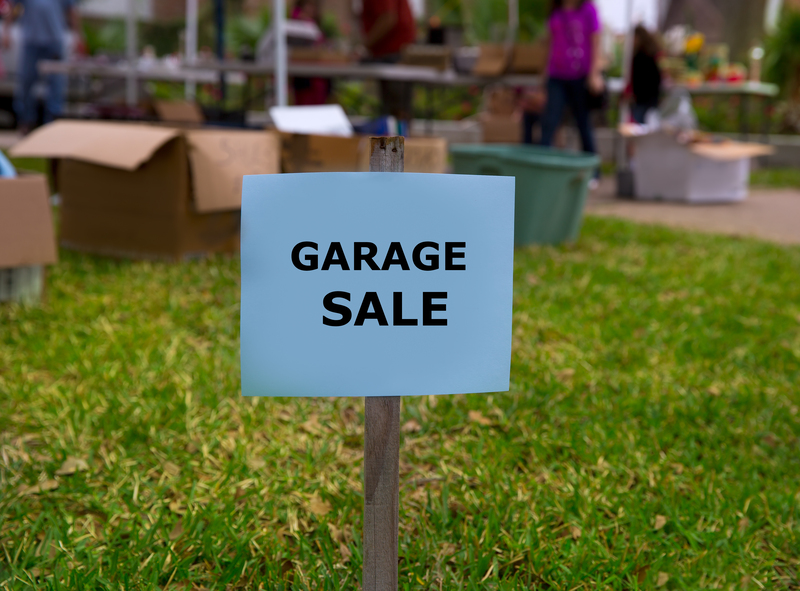
Turning unwanted large items into assets is another thrifty solution. Many people are willing to collect and purchase or acquire second-hand bulky goods for restoration or reuse.
- Online Marketplaces: Websites such as Facebook Marketplace, Craigslist, OfferUp, or Gumtree allow you to list large items for local collection.
- Charity Shops: Many charities accept donations of furniture and appliances; some even provide free pick-up services for your convenience.
- Community Giveaways: Apps like Freecycle or Buy Nothing groups encourage the gifting and requesting of used items in local neighborhoods.
When donating or selling, ensure your bulky waste items are in reasonable condition or can be easily fixed. This way, you contribute to waste reduction and potentially earn a small amount or a tax deduction.
3. Utilizing Local Municipal Bulk Waste Collection
Leveraging City Services
Most municipalities provide periodic bulk trash pick-up services. This is often the most cost-efficient way to dispose of large household items, as the cost is typically covered by local taxes or included in your regular waste collection fees.
- Check your city's waste management schedule for free or low-cost bulk item pick-up days.
- Follow municipal guidelines for placement, maximum weight, and quantity limits.
- Separate recyclables where required--some cities offer recycling for select bulky waste, such as metal appliances.
Using official city services guarantees compliance with the law and convenient, organized removal of cumbersome items.
4. Renting or Borrowing a Truck
Pooling Resources for Cost-Effective Hauling
If local services are unavailable or limited, renting or borrowing a pickup truck or trailer might be your next best thrifty solution for managing bulky waste. Minimize your transportation expenses by:
- Splitting the rental cost with neighbors who have similar needs
- Taking advantage of "free truck with purchase" offers from home improvement stores
- Borrowing from friends or family
Using your own muscle and a borrowed or shared vehicle can reduce hauling costs dramatically compared to hiring a full-service removal company.
5. Drop-Off at Local Recycling or Transfer Stations
Eco-Conscious and Thrifty Disposal
Many communities have recycling or waste transfer centers that accept large items for a small fee or sometimes for free. Check the following:
- Hours of operation
- Accepted materials (e.g., electronics, appliances, mattresses, metals)
- Preparation requirements like removing doors from refrigerators
This method is especially cost-effective for small quantities and ensures responsible, legal disposal of bulky household waste. Find a center near you by visiting your municipality's website or using online directories.
6. Arrange for Special Item Recycling
Eco-Friendly Alternatives for Bulky Items
Many bulky items, such as electronics, mattresses, and large appliances, should not end up in landfill due to the hazardous materials or valuable resources they contain. Several manufacturers and retailers offer take-back programs:
- Electronics Stores: Some, like Best Buy, accept TVs, monitors, and computers for recycling (often free or for a nominal fee).
- Mattress Companies: Many mattress retailers will haul away your old mattress for recycling when delivering a new one.
- Scrap Metal Yards: Appliances can often be recycled for free and, in some cases, may even net you a small payment for metal value.
Recycling these items not only diverts waste from landfills but can also put a little extra cash in your pocket and ensure compliance with environmental regulations.
7. Hire a Budget-Friendly Junk Removal Service
Smart Shopping for Professional Help
If you're unable to move bulky items yourself, hiring a professional junk removal service might be necessary. To keep costs low and get the best deal:
- Seek quotes from multiple companies and compare rates
- Book during off-peak times when discounts may be offered
- Limit service scope--sort and prepare items in advance
- Consider group bookings with neighbors or friends
Some services specialize in environmentally responsible disposal, ensuring reusable items go to charity and recyclables are properly processed. Always check for licensing and reviews to guarantee a reliable, legal, and cost-efficient removal.
8. Organize a Community Bulky Waste Collection Event
Collective Cost Sharing and Efficiency
Pooling resources with your neighbors can lead to significant cost savings and increased efficiency in handling large waste items.
- Work with local council or homeowners' association to schedule a community clean-up day
- Share the cost of a large dumpster or skip bin
- Invite local charities to collect reusable or repairable items before disposal
Community events not only reduce individual expenses but also help foster neighborhood spirit, improve local appearance, and ensure environmentally responsible disposal.
9. Avoiding Common Pitfalls in Bulky Waste Handling
Thrifty bulky waste management involves not just finding the cheapest disposal option, but avoiding hidden fees and potential legal issues. Keep these tips in mind:
- Never dump bulky items illegally; fines can drastically outweigh any savings.
- Avoid unreliable "free" removal offers--ensure the provider is reputable and licensed to avoid illegal fly-tipping.
- Double-check what your municipal trash service does and does not accept to prevent unexpected fees.
Good planning and informed choices are your best tools for thrifty, legal, and environmentally sound waste management.
10. Planning for the Future: Reduce Bulky Waste Generation
The most cost-effective and eco-friendly approach to bulky waste disposal is prevention. Here's how to reduce future large-item waste:
- Opt for modular or repairable furniture and appliances that can be upgraded or fixed rather than replaced.
- Consider renting or borrowing items needed only temporarily, like large party tables or construction equipment.
- Buy second-hand and donate or sell when done, maintaining the lifecycle of large goods.
Through smart buying habits, mindful product choices, and minimalism, you can significantly decrease the need for frequent bulky item disposal and support a more sustainable environment.
Conclusion: Smart and Thrifty Bulky Waste Solutions Make a Difference
Disposing of large, cumbersome waste items does not have to be an overwhelming or expensive task. With a combination of creative reuse, community cooperation, city services, responsible recycling, and strategic planning, you can manage bulky waste affordably while minimizing environmental impact.
- Reuse and repurpose whenever possible
- Sell, donate, or giveaway items in usable condition
- Take advantage of municipal collection and recycling opportunities
- Organize community disposal initiatives to spread the costs and streamline efforts
By following these thrifty solutions for handling bulky waste items, you not only keep your home and community tidy, but also participate in a larger effort to reduce waste and preserve valuable resources for future generations.
Ready to tackle your next bulky waste challenge? Remember--being savvy, informed, and proactive can make the process smoother, cheaper, and far more rewarding.