Comprehensive Guide to Construction Waste Clearance in Crouch End

Construction projects, whether large or small, inevitably generate a significant amount of waste. Managing this waste efficiently is crucial not only for maintaining a clean and safe work environment but also for complying with local regulations. In Crouch End, a bustling area known for its vibrant community and ongoing development projects, construction waste clearance is a service in high demand.
Effective construction waste clearance in Crouch End involves the removal, recycling, and disposal of various materials such as concrete, wood, metal, and other debris. Proper waste management can lead to cost savings, reduce environmental impact, and ensure that construction sites remain orderly and hazard-free.
Understanding the intricacies of waste clearance can be daunting for property owners, contractors, and developers. This guide aims to provide a detailed overview of the processes, benefits, and best practices associated with construction waste clearance in Crouch End.
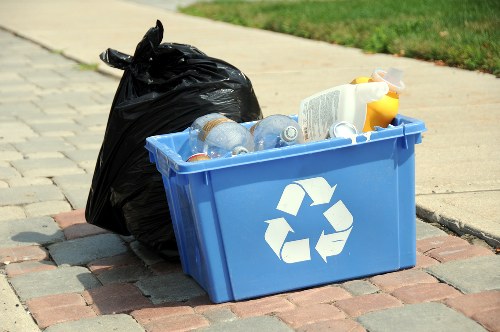
Why Construction Waste Clearance is Essential
Construction waste clearance plays a pivotal role in the construction industry. It ensures that waste materials are handled responsibly, minimizing their impact on the environment and the surrounding community.
- Environmental Protection: Proper waste clearance reduces the likelihood of pollution and conserves natural resources by promoting recycling and reuse.
- Regulatory Compliance: Adhering to local waste management regulations helps avoid legal penalties and maintains the project's reputation.
- Safety: Keeping construction sites free of debris prevents accidents and fosters a safer working environment.
In Crouch End, where community standards are high and environmental consciousness is prevalent, the importance of efficient waste clearance cannot be overstated.

Types of Construction Waste
Construction projects generate a variety of waste materials, each requiring specific handling methods:
1. Concrete and Masonry
These are among the most common types of construction waste. Proper disposal often involves breaking down the materials for recycling.
2. Wood
Wood waste can be recycled or repurposed, provided it is free from contaminants and treated appropriately.
3. Metals
Metals such as steel and aluminum are highly recyclable and can be sold to recycling facilities, reducing overall waste.
Recycling Opportunities
Understanding the recycling opportunities for each type of waste can significantly enhance the efficiency of waste clearance efforts.

Benefits of Professional Waste Clearance Services
Hiring a professional waste clearance service in Crouch End offers numerous advantages:
- Efficiency: Experts can quickly and effectively manage waste, saving time and resources.
- Cost-Effective: Proper waste management can reduce overall project costs by optimizing recycling and disposal processes.
- Expertise: Professionals are knowledgeable about local regulations and best practices, ensuring compliance and sustainability.
By leveraging the expertise of professional services, construction projects in Crouch End can achieve better outcomes and contribute positively to the community.

Steps Involved in Construction Waste Clearance
Effective waste clearance involves several key steps:
1. Assessment
Evaluating the types and quantities of waste generated to plan the most efficient clearance strategy.
2. Segregation
Separating different types of waste to facilitate recycling and proper disposal.
3. Collection and Transportation
Safely collecting and transporting waste to appropriate recycling centers or disposal sites.
Safety Measures
Implementing safety protocols during waste clearance to protect workers and the public.
Local Regulations and Compliance
Compliance with local waste management regulations in Crouch End is essential. Non-compliance can result in hefty fines and project delays.
- Permits: Obtaining necessary permits for waste transport and disposal.
- Reporting: Keeping detailed records of waste types and quantities for regulatory purposes.
- Recycling Targets: Meeting local recycling targets to minimize landfill usage.
Staying informed about local laws and guidelines ensures that waste clearance operations run smoothly and legally.
Choosing the Right Waste Clearance Partner
Selecting a reliable waste clearance service in Crouch End involves considering several factors:
Experience and Expertise
Experienced companies are better equipped to handle various types of construction waste efficiently.
Reputation
Positive reviews and recommendations indicate a trustworthy service provider.
Services Offered
Comprehensive services, including recycling and safe disposal, add value to the construction project.
Customer Support
Responsive and helpful customer support ensures that any issues are promptly addressed.
Environmental Impact of Construction Waste
The environmental consequences of improper waste management are severe, including pollution, habitat destruction, and increased carbon emissions.
- Pollution: Waste materials can contaminate soil and water sources.
- Habitat Destruction: Large-scale waste accumulation disrupts local ecosystems.
- Carbon Footprint: Decomposing waste in landfills contributes to greenhouse gas emissions.
Implementing effective waste clearance strategies mitigates these environmental impacts and promotes sustainability.
Innovative Waste Management Solutions
Advancements in waste management technologies offer new ways to handle construction waste more efficiently:
Recycling Technologies
Modern recycling facilities can process a wide range of construction materials, reducing the need for landfill disposal.
Waste-to-Energy
Converting waste materials into energy provides a sustainable alternative to traditional disposal methods.
Smart Waste Tracking
Utilizing digital tools to monitor and manage waste streams enhances the overall efficiency of waste clearance operations.
Future Trends
Emerging trends in waste management are set to revolutionize the way construction waste is handled, emphasizing sustainability and resource conservation.
Cost Factors in Construction Waste Clearance
The cost of waste clearance services can vary based on several factors:
- Volume of Waste: Larger volumes may incur higher costs but can benefit from economies of scale.
- Type of Waste: Certain materials may require specialized handling, increasing expenses.
- Frequency of Service: Regular clearance services may offer discounted rates compared to one-time pickups.
Budgeting for waste clearance is an essential aspect of project planning, ensuring that resources are allocated effectively without compromising on quality.
Best Practices for Effective Waste Clearance
Implementing best practices can optimize waste clearance operations:
Planning and Scheduling
Developing a clear waste management plan and schedule ensures timely and efficient clearance.
Employee Training
Training staff on proper waste handling techniques reduces the risk of accidents and improves sorting accuracy.
Continuous Improvement
Regularly reviewing and refining waste management processes enhances overall efficiency and sustainability.
Community Engagement
Engaging with the local community fosters positive relationships and promotes responsible waste management practices.
Case Studies: Successful Waste Clearance in Crouch End
Examining successful waste clearance projects in Crouch End provides valuable insights:
Residential Development Project
A large residential project implemented a comprehensive waste management plan, resulting in a 60% reduction in landfill waste through effective recycling and reuse.
Commercial Renovation
A commercial building renovation successfully utilized waste-to-energy solutions, significantly lowering the project's carbon footprint.
Public Infrastructure Upgrade
An infrastructure upgrade project collaborated with local waste clearance services, ensuring minimal disruption to the community and efficient waste disposal.
Lessons Learned
These case studies highlight the importance of planning, collaboration, and the adoption of sustainable waste management practices.
How to Get Started with Waste Clearance
Initiating a waste clearance project involves several key steps:
1. Assess Your Needs
Determine the types and quantities of waste your project will generate to select the appropriate services.
2. Choose a Service Provider
Select a reputable waste clearance company in Crouch End that aligns with your project requirements and sustainability goals.
3. Develop a Waste Management Plan
Create a detailed plan outlining how waste will be handled, recycled, and disposed of throughout the project lifecycle.
Implementation
Execute the waste management plan, ensuring all team members are aware of their roles and responsibilities in maintaining effective waste clearance.
Frequently Asked Questions (FAQs)
Addressing common questions can help clarify the process of construction waste clearance:
What Types of Waste Can Be Recycled?
Materials such as wood, metal, concrete, and certain plastics are commonly recyclable.
How Much Does Waste Clearance Cost?
Costs vary based on volume, type of waste, and frequency of service. It's best to obtain quotes from multiple providers.
Do I Need a Permit for Waste Clearance?
Local regulations may require permits for waste transportation and disposal. Consult your waste clearance service provider for guidance.
Additional Resources
For more information on construction waste clearance in Crouch End, consult local authorities or professional waste management organizations.
Conclusion
Effective construction waste clearance in Crouch End is essential for maintaining safety, ensuring environmental sustainability, and complying with local regulations. By partnering with experienced waste clearance services, construction projects can achieve efficient waste management, reduce costs, and contribute positively to the community.
Don't let waste hinder your construction progress. Contact us today to learn how our expert services can support your next project.